

Your child’s school does not offer extracurricular activities. You feel worried. You wonder if your child is missing out. The truth is, you do not need a formal school program to give your child something great to do after school hours.
A home-based after school program lets you take charge of what your child learns, explores, and enjoys. You set the pace. You pick the activities. And you stay close to your child through every step.
This guide covers 7 practical, easy-to-start ideas for creating a home-based after school program that actually works. Each idea supports your child’s academic, physical, and social growth without the stress of rigid schedules or expensive classes.
| QUICK ANSWER: What Is a Home-Based After School Program? |
| A home-based after school program is a set of structured or semi-structured activities you run at home after your child finishes school and homework. It replaces or supplements formal after school programs when they are unavailable, unaffordable, or not the right fit. These programs can include reading time, outdoor play, art projects, cooking, community volunteering, and more. They support your child’s all-round development without requiring professional teachers or a classroom environment. |
Why Consider a Home-Based After School Program

Many children today are already over-scheduled. They have school, tuition classes, sports, and more. Adding one more formal program may cause burnout rather than growth.
A home-based after school program gives you flexibility. You adjust it to your child’s energy levels, interests, and pace. There is no commute, no rigid timetable, and no pressure to perform in front of peers.
Research supports this. According to the Society for Research in Child Development, after school activities improve academic achievement, social skills, and school attendance when they are done well. You do not need a formal program to achieve those same results.
For families who celebrate special moments together, finding ways to connect daily matters just as much as big occasions like birthdays. If you are already exploring ideas for your family, check out these heartfelt happy birthday wishes for kids that can inspire fun, creative celebrations at home too.
Home-Based vs. Formal After School Programs: A Quick Comparison
| Factor | Home-Based Program |
| Cost | Low or no cost |
| Flexibility | Fully flexible, you set the schedule |
| Social exposure | Limited unless you arrange group activities |
| Commute | None |
| Customization | High, tailored to your child’s interests |
| Parental involvement | High, strengthens family bonds |
School and Homework Come First: Setting the Right Foundation

Before any after school activity begins, your child must finish school and complete all homework. That should take about 30 to 60 minutes on most days.
Build a simple daily routine. Let your child have a short break after school, then homework, then the home activity of the day. Consistency matters more than perfection. Even a loose daily schedule helps your child feel secure and focused.
If your child develops a strong interest in a particular subject through school or homework, use that as a starting point for your home-based after school program. Interest-driven learning tends to stick better and keeps your child motivated.
7 Practical Home-Based After School Program Ideas That Work
Here are seven ideas you can start today. Mix and match them based on what your child enjoys most.
1. Independent Research and Internet Learning
The internet gives your child access to almost any topic they want to explore. Encourage your child to look up things they are curious about. It could be space, animals, history, cooking, or anything else.
Guide them toward credible websites and simple YouTube educational channels. Set a time limit so screen use stays healthy. This kind of self-directed research teaches your child to seek knowledge on their own, something formal programs rarely do.
2. Reading Clubs and Library Visits
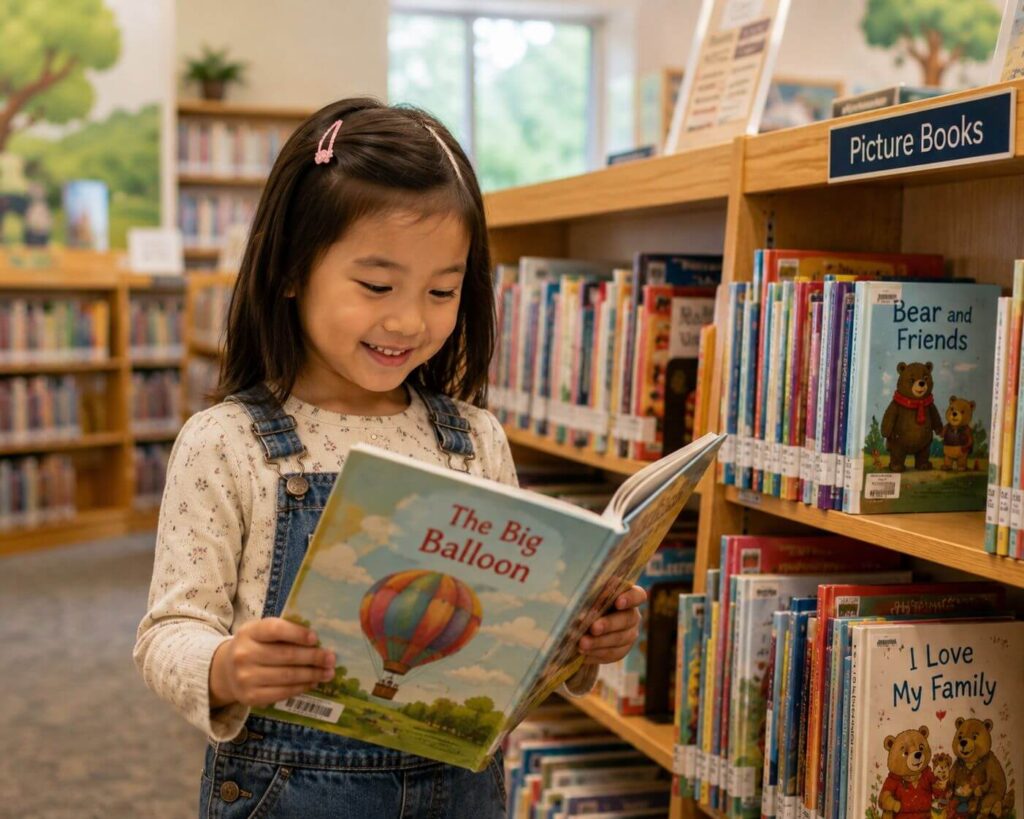
A reading habit is one of the best gifts you can give your child. Sign up for your local library’s membership. Take your child there once or twice a week. Let them pick books on topics they like.
You can also start a parent-child book club at home. Read the same book together and discuss it over dinner. If you know other families with children of a similar age, invite them too. A small reading group of four to six children can meet weekly at one home and rotate turns.
This builds vocabulary, comprehension, critical thinking, and social confidence all at once.
3. Community Volunteering and Social Awareness
Children who volunteer early in life develop empathy, responsibility, and a sense of purpose. Look for local clean-up drives, old-age home visits, adult literacy programs, or food donation events near your area.
Even participating once a month makes a strong impression. These experiences teach your child lessons that no classroom or coaching center can deliver. They learn about real-world problems, human kindness, and the value of giving time to others.
4. Dance Classes or Physical Activity

Physical activity is not optional. It is essential for your child’s health, mood, and concentration. If formal sports are not available nearby, enroll your child in a dance class. Dance is a fantastic form of exercise that also builds coordination, confidence, and creativity.
Many localities have affordable dance classes in classical, folk, or Bollywood styles. If even that is not possible, simple home workouts, yoga for kids, or cycling in the neighborhood count as meaningful physical activity.
5. Cooking and Daily Household Involvement
Cooking with your child is one of the most underrated after school activities. It teaches math through measurements, science through reactions, and life skills through real practice. It also builds patience and attention to detail.
Start small. Let your child help make simple snacks or weekend meals. As confidence grows, give them bigger roles. You can tie this into their study subjects too. Discussing nutrition while cooking reinforces health science lessons in a meaningful way.
Household tasks like organizing shelves, gardening, or managing a small budget for grocery shopping also develop practical thinking that goes beyond academics.
6. Art, Craft, and Creative Projects
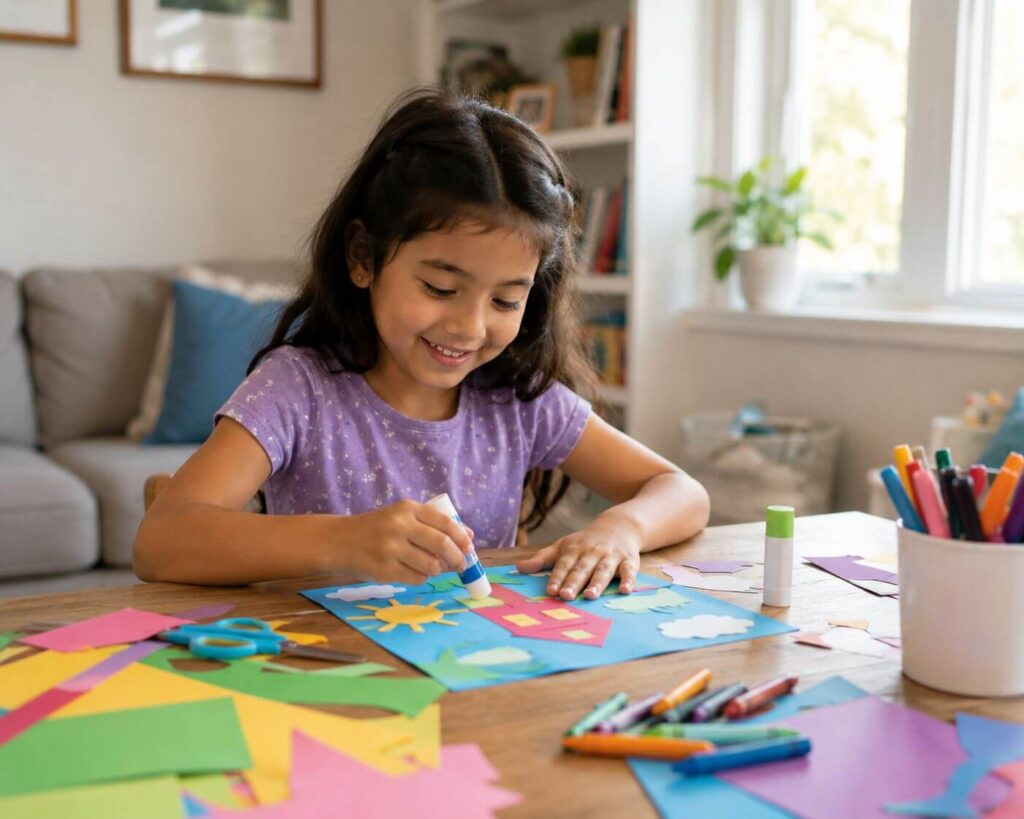
Creative projects let children express themselves in ways that academic work rarely allows. Drawing, painting, paper crafts, clay modeling, scrapbooking, and DIY science experiments all fall under this category.
You do not need expensive supplies. Basic craft materials from a local stationery shop are enough to keep a child engaged for hours. Set aside a creative day once or twice a week. Display their work at home so they feel proud and motivated to keep going.
7. Community College and Online Programs for Specific Interests
If your child develops a strong passion for something specific, whether it is coding, music, a foreign language, or science experiments, look for short-term courses at local community centers or reputable online platforms.
Many colleges offer weekend or evening programs for school children. Some government cultural centers run affordable music, theater, or language classes. Online platforms like Khan Academy offer free structured learning across subjects. These add depth to your home-based after school program without replacing the warm and flexible home environment you have created.
How to Keep Your Child Motivated in a Home-Based After School Program
Motivation is the biggest challenge when running activities at home. Here are practical ways to keep energy high and interest consistent.
| TIPS TO MAINTAIN MOTIVATION |
| Let your child pick at least one activity each week based on their interest. |
| Avoid turning after school time into another homework session. |
| Celebrate small wins. Display art, read essays aloud, or applaud new cooking skills. |
| Keep sessions short. 30 to 45 minutes per activity works best for most children. |
| Involve friends. A buddy system doubles the enthusiasm. |
| Rotate activities every few weeks to prevent boredom. |
| Take breaks. Rest and free play are not wasted time, they help the brain absorb learning. |
Building Social Skills Without a Formal Program
One of the biggest worries for parents running a home-based after school program is social development. Will my child miss out on friendships? Will they struggle to interact with peers?
The answer is no, if you plan for it. Social skills grow from interaction, not just from classroom environments. Arrange playdates with neighborhood children. Join local hobby groups. Encourage your child to talk to adults during family visits or community events.
A parent-child book club or a small neighbourhood crafts group can serve as a structured social environment too. Age-mix interactions, where your child spends time with younger children as a helper or with older mentors, are especially valuable for building confidence.
If you are also thinking about other ways to celebrate and bond as a family, exploring lifestyle tips for families can give you fresh ideas that tie together home learning and real-life experiences for your children.
When to Consider an External After School Program
A home-based setup works well for most children. But there are times when an external structured program makes sense. Keep an eye on these signals.
| Signal | What to Do |
| Child shows advanced talent in one area | Look for a specialist program or mentorship |
| Child lacks peer interaction despite efforts | Enroll in a group class or club |
| Child expresses boredom with home activities | Refresh the activity mix or try a new interest |
| Parent has limited time to supervise | Consider a part-time community program |
| Child needs structured academic support | Explore a tutoring center or homework help club |
Frequently Asked Questions
What is a home-based after school program?
A home-based after school program is a set of activities you plan and run at home once your child finishes school and homework. It helps your child grow academically, socially, and physically without needing a formal external program.
How long should a home-based after school program last each day?
Most children benefit from 30 to 90 minutes of structured after school activity per day. Younger children do well with shorter sessions. Older children can handle slightly longer ones, especially if the activity changes partway through.
What are the best activities for a home-based after school program?
Reading, independent research, cooking, art projects, community volunteering, dance, and family-organized book clubs are among the best options. The key is to choose activities your child enjoys and that support a skill or interest.
Do I need to spend a lot of money on a home-based after school program?
No. Most home-based after school activities cost little to nothing. Library visits, cooking at home, art with basic supplies, and community volunteering are all free or low-cost options.
Can a home-based after school program replace a formal program?
For most children, yes. A well-planned home-based after school program can fully meet a child’s learning, social, and physical needs. In some cases, like when a child needs specialist training or structured group interaction, an external program may be helpful in addition to home activities.
How do I keep my child interested in home activities over time?
Rotate activities regularly, let your child help pick what they do, keep sessions short, celebrate their achievements, and involve friends when possible. Variety and choice are the biggest motivators.
Conclusion: You Can Do This
A home-based after school program does not need to be perfect. It does not need expensive equipment, formal teachers, or a classroom. It needs your attention, your child’s curiosity, and a little planning.
Start with one or two activities this week. See what your child responds to. Build from there. Over time, you will find a rhythm that works well for your family and gives your child something meaningful to look forward to every day after school. If you are planning something special to celebrate your child’s progress and growth through the year, ideas like Diwali celebration ideas from our lifestyle section can help you turn everyday learning into moments worth remembering.